

Lavender is one of those plants that earns its place in a garden in more ways than one. Its silvery green foliage provides colour even when the plant is not flowering, its purple blooms bring life to a garden, and its familiar fragrance is released whenever the foliage is brushed or the flowers are handled. Lavender also attracts pollinators while adding a relaxed, natural character to garden beds, pathways, patios and pots. Growing lavender successfully in Limpopo, however, means understanding what the plant actually needs. Plenty of sunshine is important, but so are good drainage, sensible watering and choosing the right position. Limpopo’s warm conditions can suit lavender, but summer rainfall and wet soil can create problems if plants are placed where their roots remain damp for extended periods. At Annekay Ventures, we grow lavender as part of our expanding range of pot plants on our family farm in Bela Bela. If you are thinking about adding lavender to your garden, patio or outdoor space, this guide covers some of the most important things to consider before planting and explains how to keep your lavender healthy as it establishes and grows. Does Lavender Grow Well in Limpopo? Lavender generally prefers plenty of sunlight and soil that drains freely, making the position in which it is planted particularly important. The plant originates from regions where it is accustomed to sunny conditions and does not appreciate having its roots sitting in constantly wet soil. In Limpopo, the challenge is therefore not necessarily whether the weather is warm enough for lavender, but whether the plant has the correct combination of sunlight, drainage and water. Bela Bela has warm summers, and much of the region receives a significant proportion of its rainfall during the warmer months. A lavender plant may therefore receive plenty of the heat and sunlight it enjoys while simultaneously being exposed to periods of heavy summer rain. Gardeners need to account for both conditions rather than assuming that a plant associated with warm climates can simply be planted anywhere in the garden. A sunny, well drained position gives lavender a much better starting point. Gardens naturally differ, even within the same area, so it is worth observing how water behaves after rain before deciding where to plant. A section of the garden where water disappears relatively quickly will generally be more appropriate than a low lying area where the soil remains saturated. How Much Sun Does Lavender Need? Lavender is a sun loving plant and should ideally be positioned where it can receive several hours of direct sunlight each day. Good sunlight supports strong growth and flowering while helping to maintain the compact character people usually want from a lavender plant. A position that remains shaded for much of the day may result in weaker growth and fewer flowers. This does not mean that every garden has to offer identical conditions. The amount and intensity of sunlight changes according to the position of buildings, walls and larger trees, and a spot that appears sunny during one part of the year may receive more shade during another. Before planting lavender permanently, spend some time observing the area throughout the day to see how much direct sun it actually receives. For potted lavender, finding a sunny position can be easier because the container can be positioned on a patio, near an entrance or elsewhere outdoors where there is sufficient light. Pots also provide some flexibility if you discover that the original position is not working as well as expected. Drainage Is One of the Most Important Factors If there is one aspect of lavender care that deserves particular attention, it is drainage. Lavender does not perform well when its roots remain waterlogged, and consistently wet soil can eventually cause root problems and decline. This becomes especially relevant in summer rainfall regions such as Limpopo, where heavy rain can leave poorly drained parts of a garden wet for extended periods. Before planting, look at the soil and consider how quickly it drains after watering or rainfall. Heavy compacted soil may hold considerably more moisture than loose, free draining soil. Planting lavender into a raised area can sometimes help where drainage is a concern because excess water is less likely to collect around the root zone. Container grown lavender also needs somewhere for excess water to escape. Decorative pots without adequate drainage holes can retain more moisture than expected, even if the surface of the soil appears dry. If you are keeping lavender in a pot, make sure the container allows excess water to drain freely rather than accumulating around the roots. How Often Should You Water Lavender in Limpopo? There is no single watering schedule that will work for every lavender plant in every Bela Bela garden because conditions differ according to soil type, temperature, rainfall, plant size, container size and position. A newly planted lavender will also need different attention from a well established plant with a developed root system. Rather than watering automatically according to a fixed timetable, check the soil and respond to the conditions around the plant. Newly planted lavender needs enough moisture to establish its roots, but this should not be confused with keeping the soil permanently wet. Once the plant becomes established, allowing the soil to begin drying between watering is generally preferable to continually adding more water to already moist ground. During Limpopo’s rainy periods, natural rainfall may provide much of the moisture the plant needs, while dry periods may require more attention. Potted lavender needs to be monitored slightly differently because containers can dry more quickly than garden beds, particularly during hot weather. At the same time, repeatedly watering a pot that does not drain properly can create exactly the conditions lavender dislikes. Checking the growing medium before watering is therefore far more useful than following a rigid schedule regardless of weather conditions. Can Lavender Be Grown in Pots? Lavender can be an excellent choice for pots, which makes it accessible even if you do
What Greenery Is Best for Wedding Flowers?
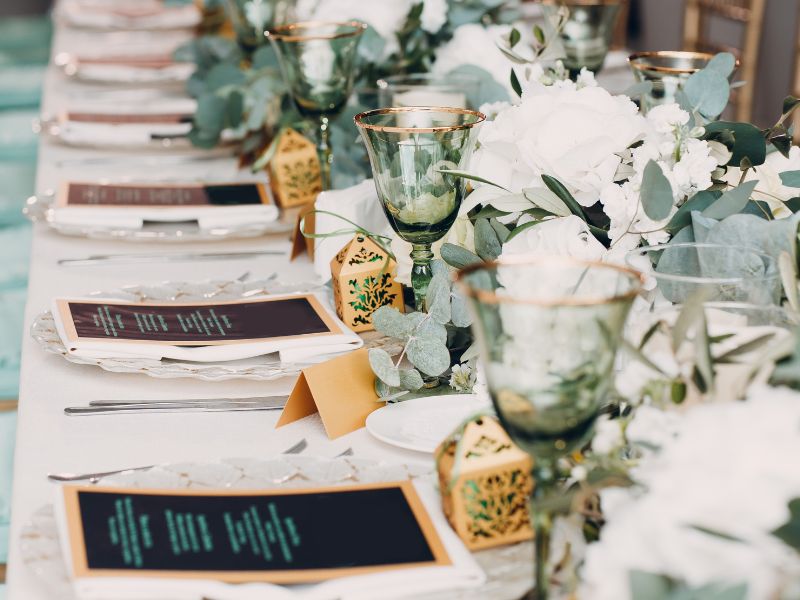
Greenery has become far more than something florists use to fill the spaces between flowers. It can shape an entire wedding arrangement, soften a bouquet, add movement to an installation and bring texture to tables without overwhelming the flowers around it. For couples planning weddings in Bela Bela and the wider Waterberg area, greenery can also complement the natural surroundings of bushveld venues, lodges, farms and outdoor celebrations beautifully. The right wedding greenery depends on the look you want to create, the flowers being used and the type of arrangement your florist is designing. Fine, delicate foliage works very differently from bold palm leaves, while structured greenery can provide the foundation needed for larger installations. At Annekay Ventures in Bela Bela, we grow several greenery varieties that can be used by florists, wedding venues and event professionals, including Asparagus Virgatus, Asparagus Plumosus, Asparagus Meyeri, Asparagus Meyeri Ming, Aspidistra Elatior, Ruscus, Silver King, Pennygum and Chamaerops palms. This guide looks at the different types of greenery available from our farm, how their individual shapes and textures can work in wedding flowers and what to consider before deciding which greenery is right for your wedding. Why Is Greenery Important in Wedding Flowers? Flowers naturally attract attention because of their colour, shape and fragrance, but greenery often provides the structure that allows those flowers to stand out. It can create contrast around pale flowers, soften arrangements containing strong colours and give a bouquet the loose, natural movement many couples want. Greenery can also make an arrangement feel fuller without requiring every available space to be filled with another flower. The choice becomes particularly important when a florist is working across several areas of a wedding. The greenery used in a bridal bouquet may need to be soft and easy to shape, while foliage for an entrance installation or ceremony backdrop may need greater structure and visual impact. Table arrangements have their own considerations because guests need to be able to see and speak to one another comfortably, while hanging installations may require foliage that creates volume and movement when viewed from below. This is why there is no single variety that can be called the best greenery for every wedding. A more useful approach is to understand the character of each type and then select one or several varieties according to the overall wedding style. Asparagus Virgatus for Fine, Natural Texture Asparagus Virgatus is a useful choice when an arrangement needs lightness and fine texture. Its delicate appearance allows it to sit comfortably among flowers without becoming the dominant element, making it suitable for bouquets and arrangements where the flowers should remain the main visual focus. This type of greenery can work particularly well with relaxed wedding styles where arrangements are intended to feel natural rather than heavily structured. A florist can use the fine foliage to soften the outer edges of a bouquet or introduce movement between larger flowers. It can also be incorporated into table arrangements where a lighter form of greenery is needed around focal blooms. For weddings that draw inspiration from gardens, farms or the surrounding landscape, Asparagus Virgatus can help create an arrangement that feels less rigid and more organic. It can be especially effective when several textures are combined, allowing its finer foliage to contrast with larger leaves elsewhere in the arrangement. Asparagus Plumosus for Softness and Movement Asparagus Plumosus has a light, feathery appearance that can bring softness to wedding flowers. Its fine foliage can be woven between blooms rather than simply sitting behind them, which allows the greenery to become part of the arrangement without competing heavily for attention. Bridal bouquets are one place where this softer character can work particularly well. A bouquet containing roses or other prominent flowers can sometimes feel very formal if every element is tightly positioned. Introducing fine greenery can loosen the overall shape and create the impression that the arrangement has been gathered more naturally. Plumosus can also be considered for table arrangements, smaller floral displays and decorative details where delicate greenery is preferable to large leaves. Florists can combine it with more structured foliage when they need both volume and softness in the same design. Asparagus Meyeri for Shape and Texture Asparagus Meyeri brings a very different character to an arrangement. Its distinctive stems create a stronger shape and more noticeable texture, making it useful when greenery needs to contribute to the overall design rather than simply fill gaps between flowers. Wedding florists can use this type of foliage to introduce interesting lines and contrast into bouquets and larger arrangements. Its form can work especially well in designs that combine different foliage shapes, allowing the arrangement to feel layered rather than relying on one repeated leaf throughout. Texture is particularly valuable in wedding flowers where the colour palette is deliberately restrained. An arrangement containing mostly white, cream or neutral flowers can still have plenty of visual interest when different forms of greenery are used. In these cases, shape and texture do some of the work that additional flower colours might otherwise provide. Asparagus Ming for Something Different Asparagus Meyeri Ming offers another way to introduce texture into wedding arrangements. Its growth gives florists an opportunity to move away from traditional broad leaf greenery and create something with a more distinctive appearance. It can be particularly effective when combined with other asparagus varieties because the different forms remain connected through their green colouring while introducing changes in shape and density. This approach can give an arrangement depth without requiring a large number of different flower varieties. For couples who want their wedding flowers to feel individual without becoming overly elaborate, the greenery itself can provide some of that difference. A florist can use unusual foliage selectively to create small points of interest throughout bouquets, tables and installations while maintaining a consistent overall style. Ruscus for Clean, Elegant Wedding Arrangements Ruscus is a familiar choice for wedding flowers because of its clean shape and versatility. The foliage has enough
Meet Annekay Ventures: Farm Grown Plants and Greenery in Bela Bela
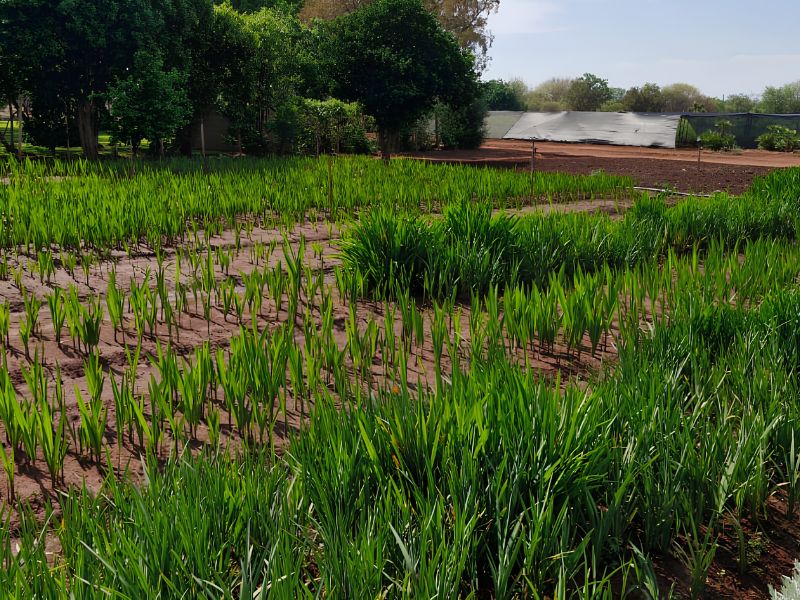
There is something special about knowing where the plants and greenery you buy have come from, particularly when you can see the rows where they were grown and know the people who have spent years learning how to care for them. At Annekay Ventures in Bela Bela, Limpopo, growing is not simply about producing something to sell. It is part of a much longer story involving years of knowledge, a love for the land and a family that is now taking an established farm into an exciting new chapter. Annekay Ventures is a family run farm specialising in greenery, pot plants, herbs, seeds and bulbs, with selected flowers also available freshly cut during their natural flowering season. Our customers include private buyers as well as florists, nurseries, wedding venues and other businesses looking for locally grown plants and greenery in Bela Bela and the wider Waterberg area. Although Annekay Ventures itself represents a new business venture for our family, the knowledge behind what we grow has been developing on this farm for almost two decades. A Story That Started on the Farm in 2006 The story behind Annekay Ventures goes back to 2006, when JE began working on the farm under the guidance of Bert van der Velt from the Netherlands. Bert spent several years sharing his knowledge with JE and teaching him the practical skills involved in growing and caring for the greenery produced on the farm. It was knowledge gained through experience rather than simply learnt from a book, with every season bringing different conditions, challenges and lessons about what individual plants need in order to grow successfully. JE has always had what people often describe as green fingers. Plant something and he seems to have an instinct for understanding what it needs to grow. That natural ability, combined with the knowledge and experience he gained while working alongside Bert, created a strong foundation that would eventually become an important part of Annekay Ventures. Over the years, JE continued to learn about the plants, their growing cycles and the day to day realities of working on the farm. Sadly, Bert passed away two years ago, bringing an important chapter in the farm’s history to an end. An opportunity later arose for us to buy the farm back, allowing us to continue what had been established while beginning to shape the farm around our own ideas for the future. Annekay Ventures grew from that opportunity and from our desire to preserve the knowledge that had been passed down while creating a family business that could continue developing for years to come. A New Chapter for Michelle and JE Annekay Ventures also represents a significant change for Michelle after almost 20 years of working as an accountant. Accounting will remain part of her working life, but instead of spending all of her time focused on it, Michelle will now work part time as an accountant and spend the rest of her working time on the farm alongside JE. It gives her an opportunity to step outside the office environment, become more involved in the business and share in the process of growing something that belongs to their family. Working side by side brings together two very different sets of skills. JE brings years of practical farming knowledge, an instinct for growing and the experience he has gained since first arriving on the farm in 2006. Michelle brings almost two decades of business and accounting experience while also learning more about the plants and the practical side of farm life. Together, they are building Annekay Ventures into something that combines the history of the farm with a new vision for what it can become. There is also a much bigger purpose behind the business. Annekay Ventures is not simply about expanding the number of plants grown or finding new customers. Michelle and JE want to build something meaningful that their family can be proud of and, ultimately, something that can become a legacy for the next generation. That idea is reflected in the way the business is developing, with a focus on growing carefully, expanding the product range and building lasting relationships with the people and businesses they supply. What We Grow at Annekay Ventures Greenery is where the Annekay Ventures story began, and it remains an important part of what we grow today. As the business develops, however, we are expanding beyond greenery to offer a wider selection of pot plants, herbs, seeds and bulbs. Selected flowering plants may also be available as freshly cut flowers when they are naturally in bloom, giving florists, wedding venues and other customers access to seasonal products grown directly on our Bela Bela farm. Growing is naturally influenced by the seasons, weather and the individual life cycle of each plant, so availability can change throughout the year. Rather than treating this as a limitation, we see it as part of buying directly from a working farm. Customers can contact us to find out what is currently growing, what is ready and what may become available during the coming weeks or months. Farm Grown Greenery in Bela Bela Greenery has been at the heart of the farm for many years and continues to form an important part of our product range. We grow several varieties that can be used by florists, wedding and event professionals, nurseries and private customers, with each plant providing its own shape, colour and texture. Our current greenery range includes Asparagus Virgatus, Asparagus Plumosus, Asparagus Meyeri, Asparagus Meyeri Ming, Aspidistra Elatior, Ruscus, Silver King, Pennygum and Chamaerops palms. Some varieties offer delicate foliage that works beautifully in bouquets and floral arrangements, while others provide stronger shapes, volume and structure for larger displays. This variety gives florists and event professionals the flexibility to select greenery according to the style and scale of the arrangement they are creating. Our greenery has traditionally been supplied to the Multiflora Market in Johannesburg, and one of our goals for Annekay Ventures is to expand that