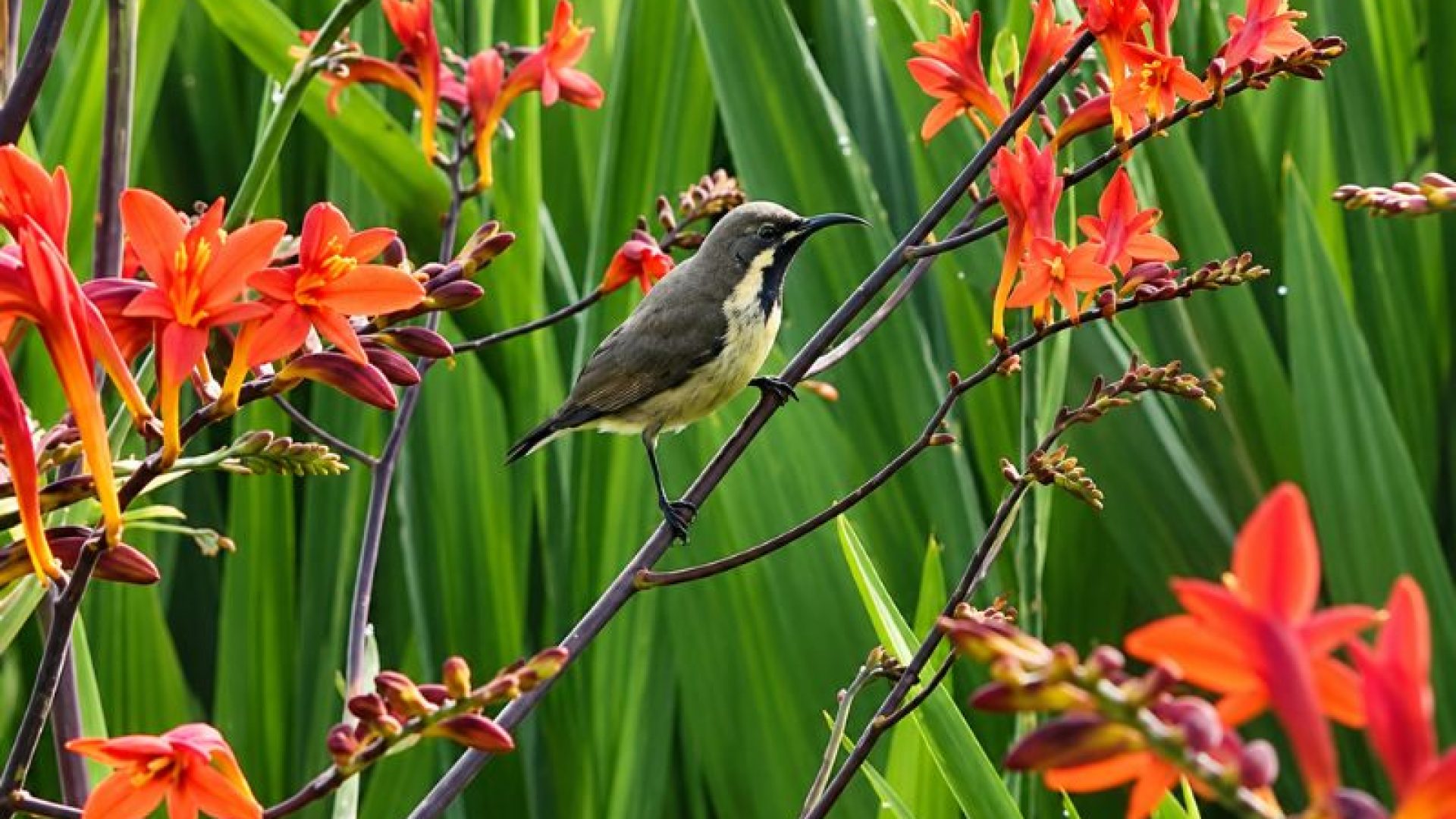
Growing plants from bulbs is one of the most rewarding ways to add colour, texture and seasonal interest to a garden. A bulb may not look particularly impressive when you first hold it in your hand, but inside it is everything the plant needs to begin producing roots, foliage and eventually flowers. Give it the right soil, enough light, appropriate moisture and a little patience, and that small bulb can develop into a beautiful established plant.
For gardeners in Bela Bela and other parts of Limpopo, growing plants from bulbs can be particularly rewarding, but local conditions need to be considered. Warm temperatures, strong sunlight and summer rainfall all influence how bulbs should be planted and cared for. Understanding the basic principles before you start can make the difference between bulbs that struggle and plants that return with healthy growth and beautiful flowers.
At Annekay Ventures, we grow a variety of plants on our family farm in Bela Bela, including Crocosmia, which can be grown from bulbs. Whether you are starting your first garden, adding to an established flower bed or experimenting with bulbs in containers, this beginner friendly guide will help you understand where to start and what your plants need as they grow.
What Is a Flower Bulb?
The word bulb is often used as a general gardening term for underground plant structures that store energy and allow a plant to produce new growth. Depending on the plant, the underground structure may technically be a true bulb, corm, tuber or rhizome. For the beginner gardener, the most important thing to understand is that these structures contain stored energy that supports the plant as it begins its next growing cycle.
Crocosmia is a good example. Although it is commonly grouped together with bulbs in gardening conversations, Crocosmia actually grows from corms. These underground structures store nutrients and produce new roots and shoots as the growing season begins. Over time, healthy plants can produce additional corms, allowing a planting to gradually become more established.
This ability to store energy underground is one reason bulb type plants are so interesting to grow. Above ground growth may disappear or become dormant during part of the year, but that does not necessarily mean the plant has died. The underground structure remains ready for the next appropriate growing period.
When Is the Best Time to Plant Bulbs in Limpopo?
The best planting time depends on the particular type of bulb and its natural growing cycle. Some bulbs are planted ahead of their active growing season, while others may be planted at different times depending on local temperatures and rainfall. This is why it is important to understand what you are planting rather than treating every bulb in exactly the same way.
Limpopo has a warm climate with summer rainfall across much of the province, so gardeners also need to consider heat and soil moisture. Bela Bela can experience hot summer conditions, and periods of significant rainfall can leave poorly drained soil wet for longer than many bulbs prefer. Planting at the correct time is therefore only one part of successful bulb growing. The position and soil conditions are equally important.
If you purchase bulbs or corms from a local grower, ask when they are best planted in your area. Local knowledge can be extremely useful because growing conditions in Bela Bela and the Waterberg are not necessarily identical to conditions in cooler parts of South Africa.
Choosing the Right Place to Plant Your Bulbs
Before you start digging, spend some time looking at the area where you intend to plant. Consider how much sunlight it receives, what happens to the soil after heavy rain and whether surrounding plants will eventually compete for space. A little planning at this stage can prevent many problems later.
Many flowering bulb type plants appreciate good light, although exact requirements differ between species. Crocosmia generally performs well in a sunny position and can also tolerate some lighter shade. Enough light helps encourage healthy growth and supports flowering, so a deeply shaded corner is unlikely to be the best choice if your aim is a colourful floral display.
Drainage is another important consideration, particularly in Limpopo during the summer rainfall period. Bulbs and corms should not remain in heavily waterlogged soil for prolonged periods. If water regularly collects in a particular part of your garden after rain, consider improving the soil, creating a raised planting area or choosing another location.
Preparing the Soil Before Planting
Healthy plants begin below the surface, so preparing the soil is worth the effort. Soil should allow roots to develop while also allowing excess water to drain away. Extremely compacted ground can make it difficult for new roots to establish and may hold too much water around the bulb or corm.
Start by loosening the soil in the area where you intend to plant. Organic material such as well decomposed compost can help improve soil structure, although the exact amendments required will depend on the soil you already have. The objective is to create a growing environment that holds sufficient moisture for the plant without becoming permanently saturated.
Do not assume that adding more fertiliser will automatically produce better flowers. Young plants need balanced growing conditions rather than excessive feeding. Preparing healthy soil and allowing the plant to establish properly gives it a much better foundation than trying to force rapid growth.
How Deep Should You Plant Bulbs?
Planting depth is one of the first questions new gardeners ask, and there is a good reason for it. A bulb planted too close to the surface may be exposed to temperature changes and disturbance, while one planted excessively deep may have more difficulty producing growth above the soil.
A commonly used gardening guideline is to plant many bulbs at a depth approximately two to three times their own height. This is a useful starting point, but it should not replace the specific planting requirements of the plant you are growing. Different bulbs and corms have different needs, so always consider the particular variety.
Spacing matters as well. It can be tempting to plant everything very close together because the bulbs themselves are small, but remember that each one has the potential to develop into a much larger plant. Allowing suitable space gives the foliage room to grow and helps with airflow around established plants.
Which Way Up Should a Bulb Be Planted?
This is one of the most common concerns for someone planting bulbs for the first time. Many bulbs have an obvious pointed end where the shoot develops and a flatter area where roots emerge. In these cases, the pointed growing end generally faces upwards and the root area faces downwards.
Corms and less obvious underground structures can sometimes make the decision more difficult. Look for signs of previous root growth, a flatter base or small growing points. If you are uncertain about a particular plant, ask the grower or nursery rather than forcing yourself to guess.
Do not worry if everything does not look exactly like the bulb illustrations found in gardening books. Plants are natural products and individual bulbs can differ in shape. Learning to recognise the growing points becomes much easier once you have planted a few.
Watering Bulbs After Planting
Water plays an important role in encouraging growth, but more water does not automatically mean faster or healthier plants. Once planted, bulbs need sufficient moisture to support root development without remaining continuously saturated.
After planting, water the soil appropriately to help settle it around the bulb and encourage the growing process. Future watering should take rainfall, temperature and soil conditions into account. A garden in Bela Bela during a rainy summer period may require far less additional watering than the same garden during a prolonged dry spell.
Checking the soil before watering is one of the simplest habits a beginner gardener can develop. If the soil is still very wet, adding more water may do more harm than good. If conditions have been hot and dry and the soil has lost significant moisture, watering may be necessary. Responding to the actual growing conditions is more useful than following a rigid schedule.
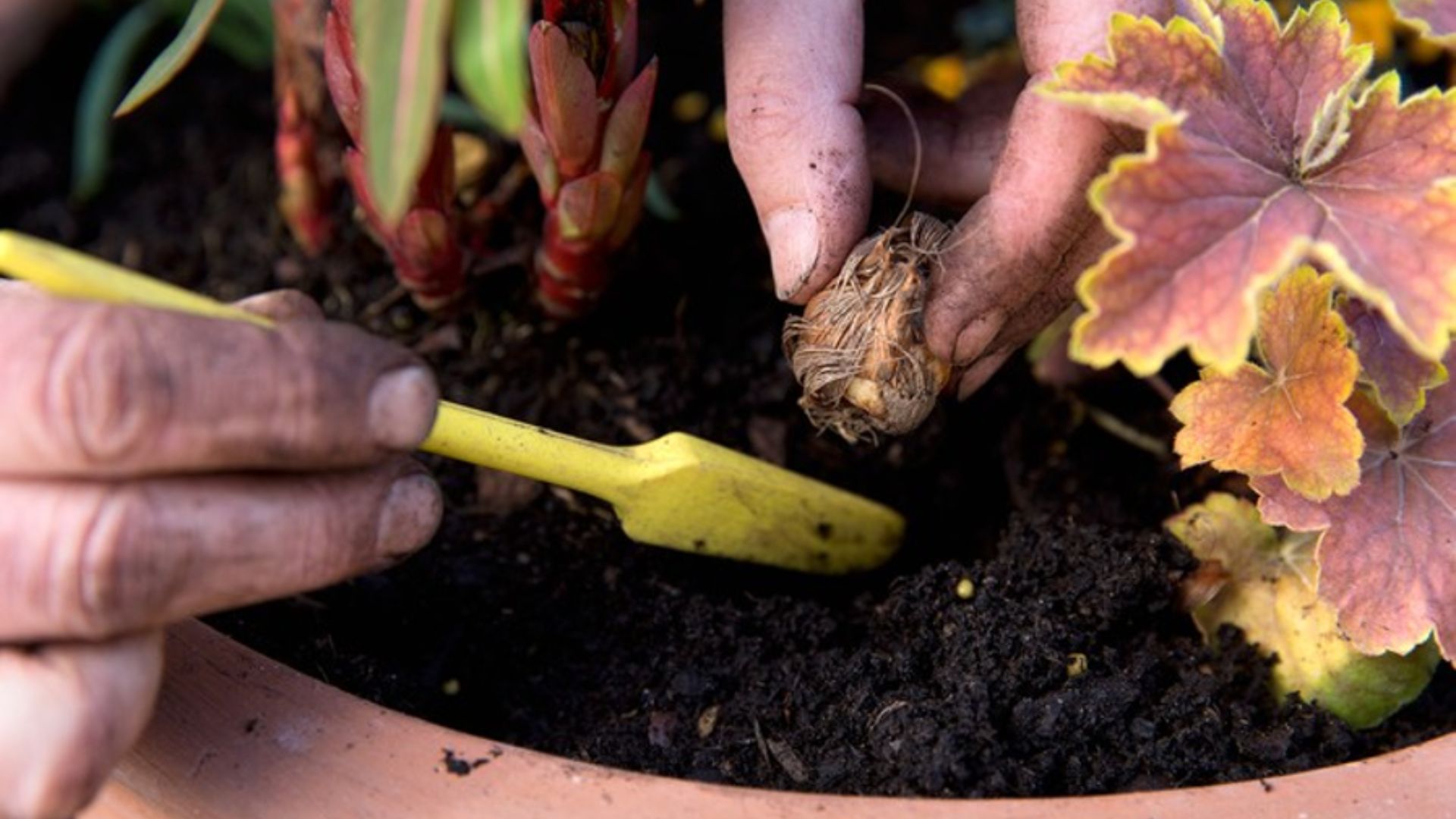
Can You Grow Bulbs in Pots?
You do not need a large garden to enjoy growing plants from bulbs. Many varieties can be grown successfully in containers, making them suitable for patios, courtyards and smaller outdoor areas. Containers also give gardeners more control over soil conditions and can be moved if the original position does not provide enough light.
Drainage remains extremely important. Choose a container with drainage holes so excess water can escape freely, and use a suitable growing medium rather than heavy compacted soil. The container should also provide enough room for the plant’s roots and future growth.
Avoid overcrowding simply because you want an immediate full display. Consider the mature size of the plants and allow enough room for them to develop. A container may initially look a little empty after planting, but the appearance changes significantly once shoots emerge and the plants begin filling the available space.
Growing bulbs in pots can also be a wonderful introduction to gardening for beginners because you can observe the entire process closely. Watching the first green shoot emerge from soil that appeared empty only a short time before is part of what makes growing from bulbs so satisfying.
How Long Do Bulbs Take to Grow?
One of the lessons gardening teaches very quickly is patience. Bulbs do not all emerge or flower according to the same timetable, and growth depends on the variety, planting time, soil temperature, moisture, sunlight and general growing conditions.
Some gardeners become concerned when nothing appears above the soil immediately after planting. Remember that important growth can already be taking place underground. Roots may be developing before you see the first shoot breaking through the surface.
Avoid repeatedly digging up bulbs to check whether they are growing. Disturbing them can damage new roots and interfere with the establishment process. If the bulb was healthy when planted and the growing conditions are appropriate, give it time to do what plants have been doing naturally for generations.
What Should You Do Once Shoots Appear?
Seeing the first shoots emerge is exciting, but the plant is still at an early stage of development. Continue monitoring moisture and make sure surrounding weeds do not begin competing heavily for space, water and nutrients.
As the foliage develops, it begins producing energy through photosynthesis. This energy supports the plant’s growth and helps replenish the underground storage structure. Healthy leaves are therefore doing important work even before flowers appear.
Avoid unnecessary interference with new growth. Good sunlight, appropriate moisture and healthy soil will usually contribute more to the plant’s development than constantly changing its growing conditions. Observe how it responds and make adjustments only where there is a clear reason to do so.
What Happens After the Flowers Finish?
One of the biggest mistakes beginners can make is cutting all the foliage away as soon as flowering has finished. Although the flowers may have faded, the leaves still have an important job to do. They continue producing energy that can be stored underground for future growth.
Allow foliage to remain until it naturally begins to yellow and die back. This gives the plant time to complete its growing cycle and return energy to the bulb or corm. Cutting healthy green leaves too early can reduce the amount of energy available for the following season.
This cycle is part of what makes bulb growing so fascinating. The visible flowers may be the part we enjoy most, but much of the plant’s preparation for future growth happens before and after flowering.
Can Bulbs Come Back Every Year?
Some bulb type plants can return for multiple growing seasons if the species suits the climate and receives appropriate care. This makes them particularly rewarding because a planting can become an established part of the garden rather than something that needs to be completely replaced every season.
Crocosmia can return and multiply through the development of additional corms. Over time, a healthy clump may become larger and produce an increasingly established display. If plants eventually become overcrowded, they can be lifted and divided at an appropriate stage of their growth cycle.
Local conditions will always influence how plants perform. Soil, rainfall, sunlight and garden care can differ significantly even between properties in the same town. Learning how plants respond in your own Bela Bela or Limpopo garden is therefore an important part of becoming a more confident gardener.
Common Mistakes When Growing Plants from Bulbs
Beginners sometimes assume that bulbs require constant attention, but problems are often caused by doing too much rather than too little. Overwatering, planting in poorly drained soil, choosing an unsuitable position and disturbing newly planted bulbs can all interfere with healthy development.
Another mistake is expecting every bulb to behave identically. Different plants have their own growing cycles, preferred planting times and light requirements. Understanding what you have purchased before planting will make caring for it considerably easier.
Gardeners should also resist the temptation to remove foliage immediately after flowering. The plant may look less impressive once its flowers fade, but allowing the leaves to complete their natural cycle can help support future growth.
Growing Crocosmia from Bulbs in Limpopo
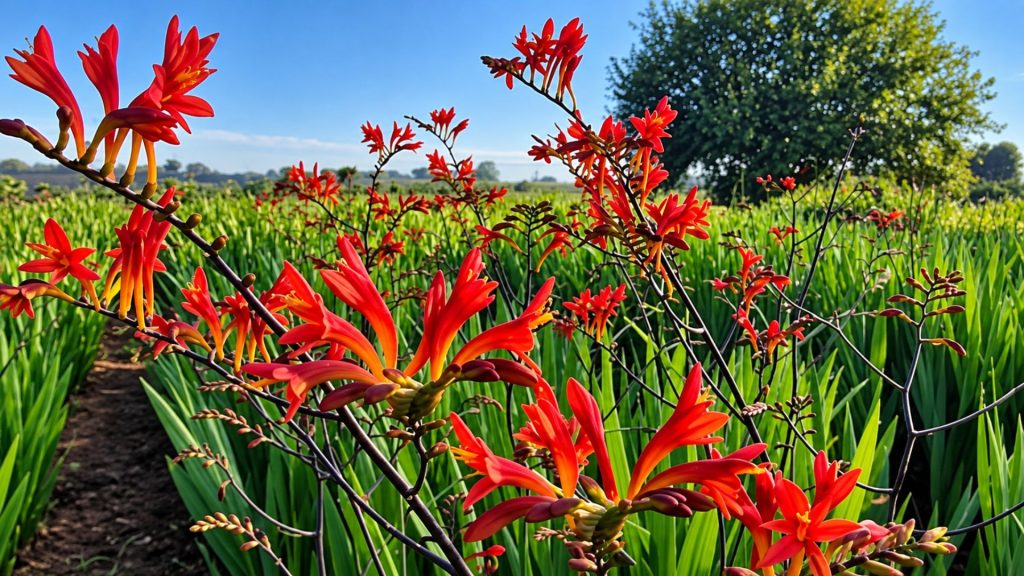
Crocosmia is a particularly attractive option for gardeners who enjoy graceful green foliage followed by vibrant seasonal flowers. The plants can bring both structure and colour to garden beds, and established groups can create an impressive display during their flowering period.
At Annekay Ventures, Crocosmia forms part of what we grow on our family farm in Bela Bela. Our Crocosmia corms give customers the opportunity to start their own plants and experience the growing process from the beginning.
For gardeners in Bela Bela, Modimolle, Mookgophong and the wider Waterberg and Limpopo region, locally grown planting material also provides the opportunity to speak directly to growers about the plants. If you are new to growing from bulbs, asking questions is part of learning and can help you become more confident with every growing season.
Growing Something Beautiful from the Beginning
Growing plants from bulbs is a wonderful reminder that beautiful gardens take time. The process starts below the soil where very little appears to be happening, but roots are developing, energy is being used and the foundations of the new plant are forming. Eventually the first shoots appear, foliage develops and, under the right conditions, flowers follow.
For beginners, bulbs offer an opportunity to learn some of the most important principles of gardening, including understanding sunlight, soil drainage, watering and the natural growing cycle of plants. You do not need years of experience or an enormous garden to get started. A suitable pot or small section of a garden bed can be enough to begin.
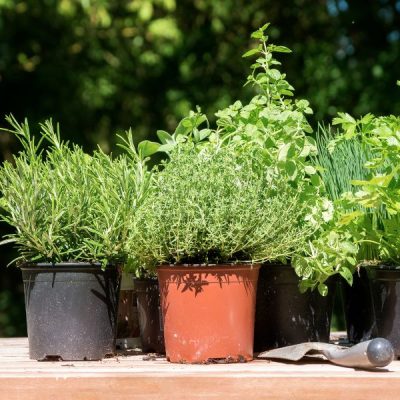
At Annekay Ventures, growing is part of everyday life on our family farm in Bela Bela. Our range includes greenery, pot plants, herbs, seeds and bulbs, giving both new and experienced gardeners an opportunity to take a little piece of the farm home and continue the growing journey themselves.
Looking for Crocosmia Bulbs in Bela Bela?
If you would like to try growing plants from bulbs, contact Annekay Ventures in Bela Bela to enquire about our Crocosmia bulbs and current availability. Private customers, nurseries and other businesses are welcome to get in touch with us to find out what is currently available from the farm.
Contact us via WhatsApp or email to enquire about Crocosmia bulbs, pot plants, herbs, seeds and other farm grown products.